Stopped here for a quick bite on the way to Winstar. Easy in/easy out. Lunch specials are great. Tuesday was 3 tacos, side , and a drink for $12.50. Brisket tacos were excellent and the beans were delicious. Wife had pork tacos which she loved. Friendly folks. Will return on our next trip up.
Overview
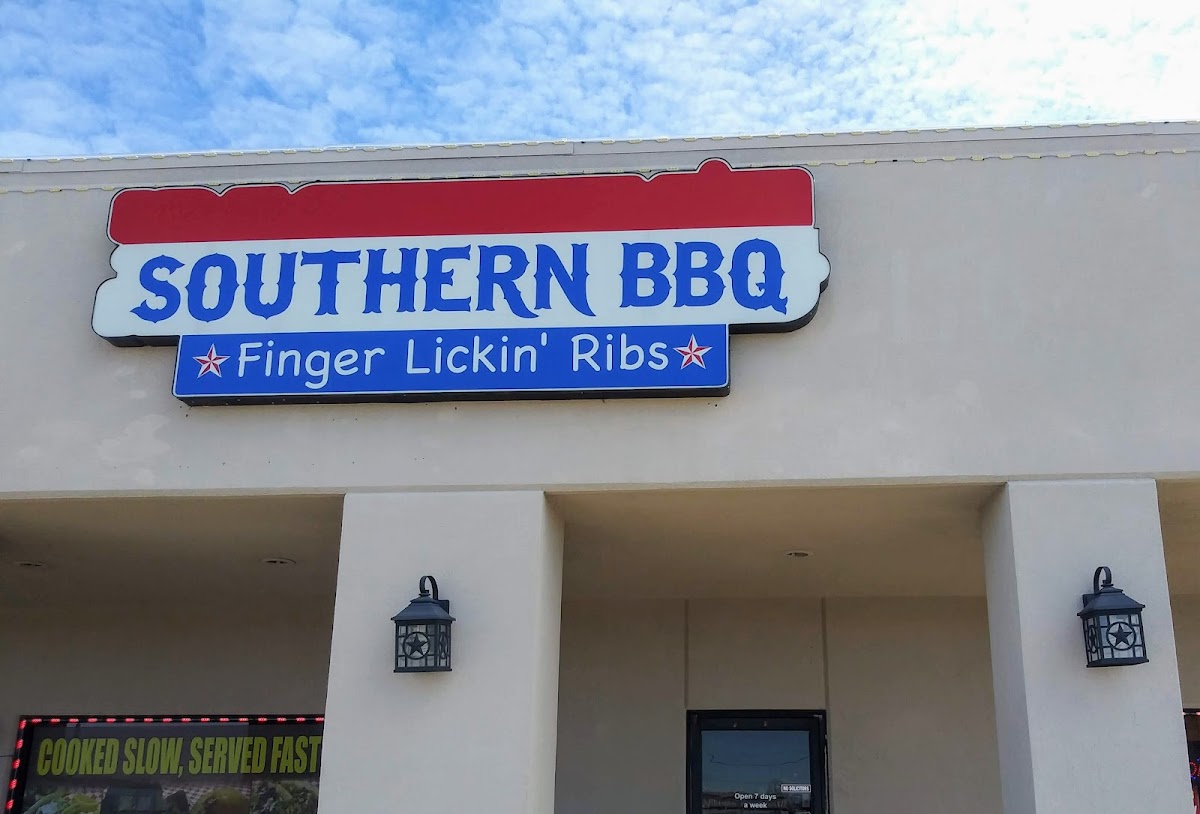
If you’re cruising through North Texas and catch a whiff of hickory smoke near 600 S Stemmons Service, Sanger, TX 76266, United States, chances are you’re close to some seriously good Southern Bbq. I’ve spent years chasing smoked brisket from Central Texas to Memphis, and let me tell you, not every roadside joint gets it right. But when a pitmaster understands low-and-slow cooking, you can taste the difference in every bite.
The first thing I always check at any barbecue spot is the smoker. Real Southern-style barbecue isn’t rushed. According to the Texas A&M AgriLife Extension, traditional brisket requires steady indirect heat-usually around 225 to 250 degrees Fahrenheit-for up to 12 to 16 hours to properly break down collagen into tender, juicy meat. That science matters. When collagen melts into gelatin, you get that melt-in-your-mouth texture that defines authentic smoked meat. At this Sanger location, the brisket shows a visible smoke ring, that pink layer just beneath the bark, which is a sign of proper wood smoking rather than oven baking with liquid smoke.
On the menu, you’ll typically find staples like sliced brisket, chopped beef, pulled pork, smoked sausage, and fall-off-the-bone ribs. I ordered a two-meat plate with brisket and pork ribs, plus classic sides: creamy coleslaw, pinto beans, and buttery cornbread. The brisket had a peppery bark with just the right balance of salt and spice, while the ribs pulled clean from the bone without falling apart-a small detail, but one that barbecue judges from organizations like the Kansas City Barbeque Society often emphasize in competitions.
What really stood out to me was the sauce. True Southern barbecue doesn’t drown the meat; instead, it complements it. Whether you prefer a tangy vinegar base, a tomato-forward Texas-style sauce, or something sweet with a molasses kick, the flavor should enhance the smoke, not mask it. Here, the house sauce had a balanced sweetness with a mild heat on the finish, and it paired especially well with the smoked sausage.
Over the years, I’ve interviewed pitmasters who swear by post oak wood for brisket. The type of wood directly influences flavor compounds released during combustion. Research published in the Journal of Food Science explains that hardwood smoke contains phenols and carbonyls that create the signature aroma and preservation qualities of barbecue. You can actually smell that depth before you even step inside this diner-style restaurant.
Beyond the meat, the atmosphere matters. This isn’t a white-tablecloth experience; it’s casual, friendly, and welcoming. Families fill the tables, truck drivers stop in for hearty plates, and locals chat over sweet tea. Online reviews frequently mention generous portions and consistent quality, which is something I always look for when recommending a barbecue location. Consistency is harder than it sounds, especially when managing smokers daily.
The location at 600 S Stemmons Service makes it convenient for both Sanger residents and travelers along I-35. Parking is easy, and service tends to move quickly even during lunch rush. While I didn’t see an extensive dessert list, the homemade banana pudding was a standout, layered with vanilla wafers and creamy custard.
Barbecue traditions vary across the South-from Carolina pulled pork to Memphis dry ribs and Texas brisket-but the fundamentals remain the same: patience, quality meat, wood smoke, and technique. This spot clearly respects those traditions while serving the Sanger community with pride. If you’re serious about smoked meats, slow cooking, and hearty comfort food, this is the kind of place that reminds you why Southern barbecue remains an American culinary icon.
Good to know
Service options
✓ Delivery ✓ Drive-through ✓ Takeaway ✓ Dine-inHighlights
✓ Great tea selection ✓ Serves local specialtyPopular for
✓ Lunch ✓ Dinner ✓ Solo diningAccessibility
✓ Wheelchair-accessible car park ✓ Wheelchair-accessible entrance ✓ Wheelchair-accessible seating ✓ Wheelchair-accessible toiletOfferings
✓ Comfort food ✓ Quick bite ✓ Small platesDining options
✓ Lunch ✓ Dinner ✓ Catering ✓ Dessert ✓ Seating ✓ Table serviceAmenities
✓ Toilet ✓ Wi-Fi ✓ Wi-FiAtmosphere
✓ Casual ✓ CosyCrowd
✓ Family friendly ✓ Groups ✓ TouristsPayments
✓ Credit cards ✓ Debit cards ✓ NFC mobile payments ✓ Credit cardsChildren
✓ Good for kids ✓ High chairs ✓ Kids' menuParking
✓ Free of charge street parking ✓ Free parking lot ✓ ParkingPhotos
1 / 4
Location
Reviews
- No ratings yet 524 reviews
Hubby and I came here for lunch and it was great! Smoked chicken sandwich was amazing and generous portions. Loved I could get a salad side, homemade croutons we great! Husbands BBq brisket and Mac n cheese were good too! Topped off with free ice cream
Only been a couple times, but the employees are very nice & the food really good. Edit: Me & my hubby went again today & it was soo good! Tried the baked potato for the first time & was soo worth all the extra calories. (I’m getting old & calories matter now ) the only thing I can criticize is them making us get more then one drink to share. We always get one large drink to share between ourselves. We rarely get a refill. Being told that we can’t share a drink is a bit unpleasant. We are here for the food, not the drinks.
First time eating here! Craving bbq. It was good! Asked for lean chopped brisket. Picked 2 sides. Okra was made to order. Mac n Cheese was flavorful. They give you a roll, and portion sizes are good! Missed taking a picture...maybe next time.